
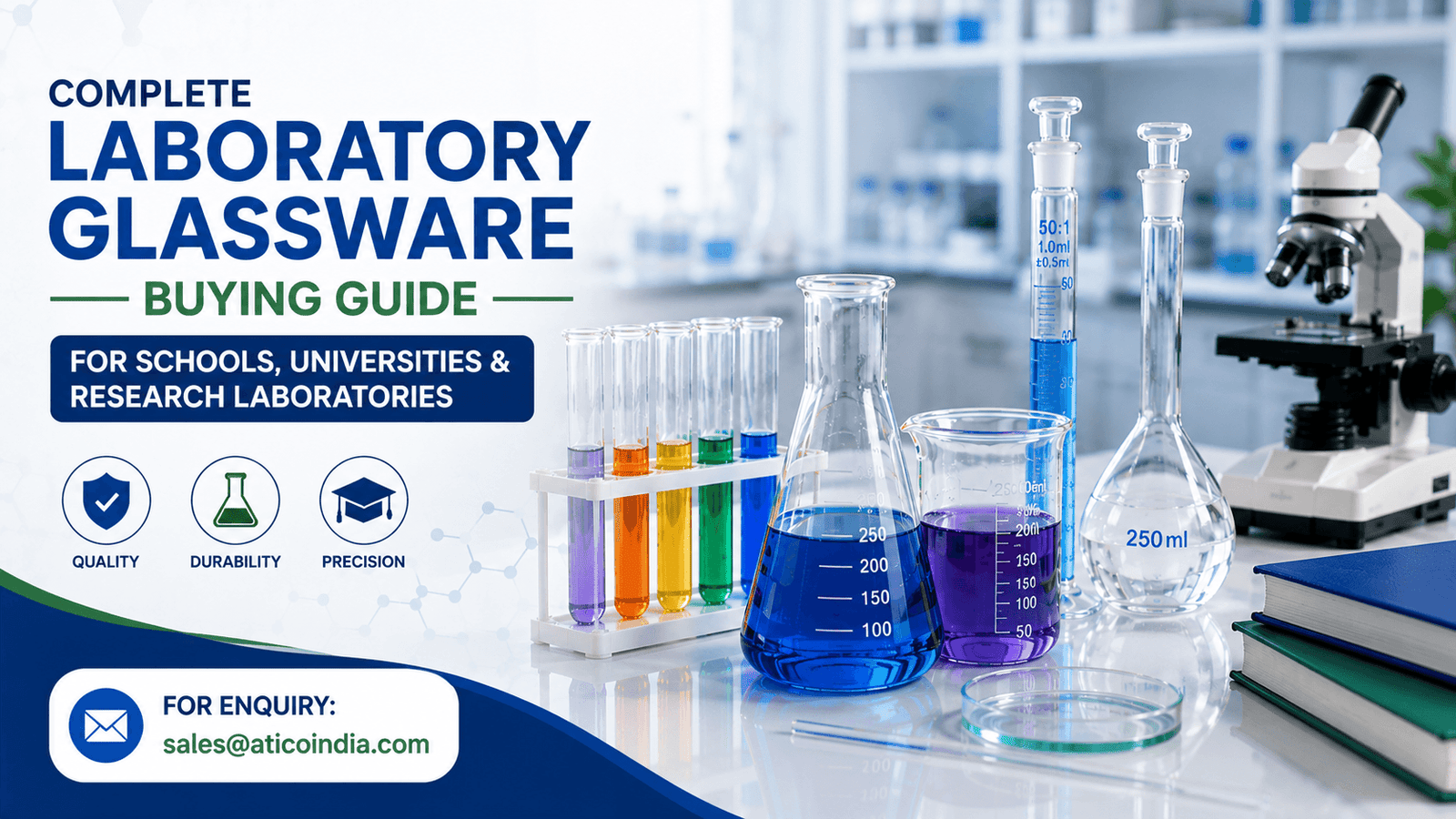
Evaluating laboratory glassware manufacturers for a school, university, distributorship, or research laboratory comes down to three things that don't show up on a price list: material specification, manufacturing quality, and whether the supplier can actually deliver at scale. That's true whether you're sourcing from a glassware supplier in India for a domestic order or comparing exporters for an international shipment. Get the specification wrong at this stage, and the consequences — cost, safety, reliability — follow the institution for years.
Atico India has been manufacturing laboratory glassware for decades. Schools, universities, research labs, distributors, and industrial buyers across India and international markets make up the customer base. This guide covers what genuinely distinguishes reliable laboratory glassware, what a complete inventory looks like, and why sourcing directly from a manufacturer — rather than an intermediary — changes the entire procurement equation.
Why Buy Directly from a Manufacturer?
Here's something most buyers don't think about until it costs them: most laboratory glassware sold globally passes through at least one intermediary before it reaches the institution. Every one of those layers adds cost. It also removes accountability and quietly limits what you can actually negotiate. Sourcing directly from a laboratory glassware manufacturer changes that equation in several concrete ways.
OEM capability. A manufacturer can produce glassware under a distributor's or institution's own branding and specifications — something a reseller simply cannot offer, because they don't control production.
Export documentation handled at source. A manufacturer with established export operations handles customs documentation, freight consolidation, and destination-specific compliance in-house. No extra layer of coordination between buyer and producer — no extra place for something to go wrong.
Customization on request. Non-standard volumes, specific joint configurations, or institution-specific labeling are realistic requests for a manufacturer and frequently impossible for a reseller to fulfill.
Bulk pricing without markup layers. Every intermediary in a supply chain adds margin. Buying direct removes those layers, which matters significantly at institutional order volumes.
Direct quality accountability. When a manufacturer controls the full production process — from raw glass to final inspection — quality issues have a single, traceable source and a direct point of resolution, rather than a chain of finger-pointing between reseller and original producer.
ISO-conformant manufacturing. A genuine manufacturer can confirm material specification and standards compliance (ISO 3585 for borosilicate 3.3) directly, with documentation, rather than passing along whatever claims came from further up an opaque supply chain.
Why Material Specification and Quality Control Matter
Glassware failure is rarely dramatic. It is a slow accumulation of small problems — a flask that doesn't hold its rated volume precisely, a joint that never quite seals, a beaker that needs replacing every eighteen months instead of every eight years. Across a full laboratory inventory, replaced more often than necessary, the cost compounds into a recurring procurement burden that proper specification at the outset would have avoided.
For schools, universities, and research laboratories, the stakes extend beyond cost. Inaccurate volumetric glassware produces inaccurate experimental results. Poor thermal resistance creates a genuine safety hazard in teaching environments where students, not trained technicians, handle the equipment daily.
Applications Across Institution Types
Laboratory glassware serves distinctly different demands depending on the institution.
Schools need durable, safety-conscious glassware for schools that survives repeated handling by students with varying levels of care, typically prioritizing cost-efficiency alongside basic accuracy class requirements.
Universities and colleges need glassware for universities spanning teaching labs (similar requirements to schools, at higher volume) and research labs (requiring tighter accuracy class, certified calibration, and specialized reaction vessels).
Research laboratories require the highest accuracy class available — Class A volumetric glassware with individual calibration certificates — because experimental reproducibility depends on it.
Pharmaceutical and industrial laboratories need glassware meeting specific regulatory documentation requirements, often with batch traceability and certificates of conformity required for audit purposes.
A manufacturer capable of serving all four segments, rather than specializing narrowly, gives an institution flexibility as needs evolve.
[Image: Hero — Atico India laboratory glassware manufacturing facility]
Laboratory Glassware Equipment List
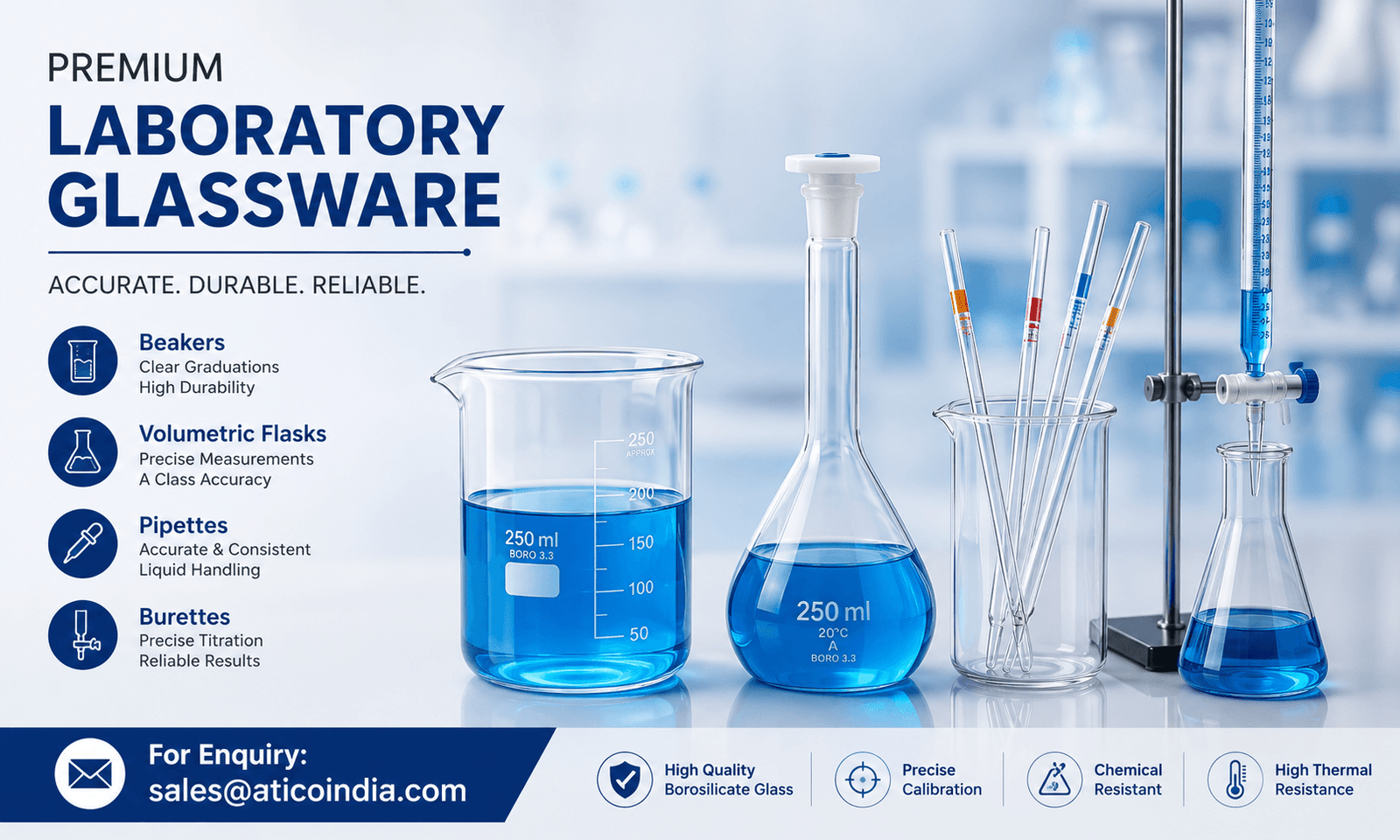
A reasonably complete laboratory glassware inventory spans several functional categories.
For a detailed breakdown of every item with its specific use, see our complete guide to the top 25 laboratory glassware items every science laboratory needs.
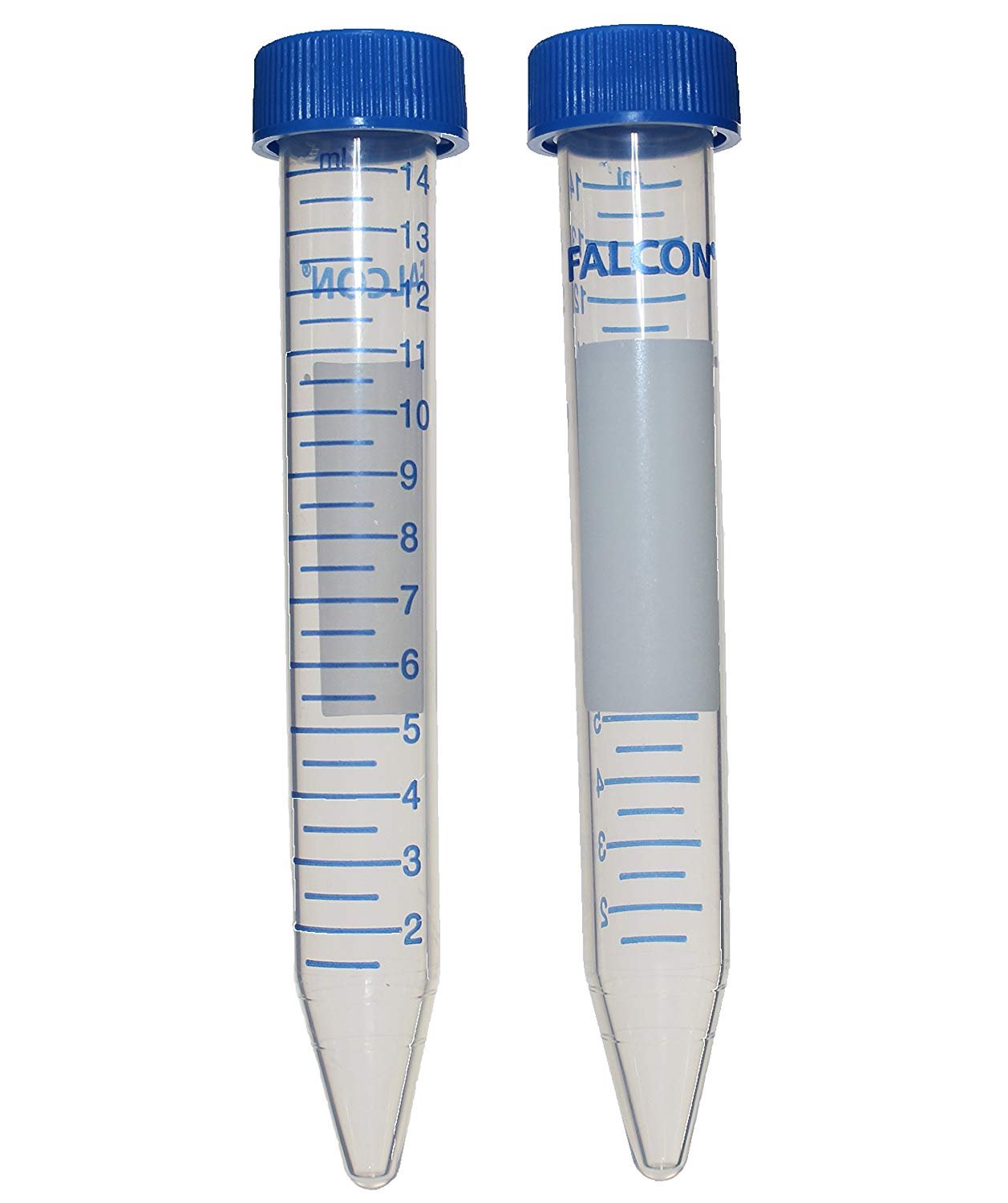
Volumetric glassware - beakers, conical (Erlenmeyer) flasks, volumetric flasks, graduated cylinders, burettes, and pipettes — handles measurement and mixing.
Heating and reaction glassware — round-bottom flasks, distillation flasks, condensers (Liebig, Allihn, Friedrichs), and reaction vessels — handles thermal processes.
Separation glassware — separating funnels, filter funnels, and Büchner flasks — handles purification steps.
Storage glassware — reagent bottles, specimen jars, and desiccators — handles safe storage.
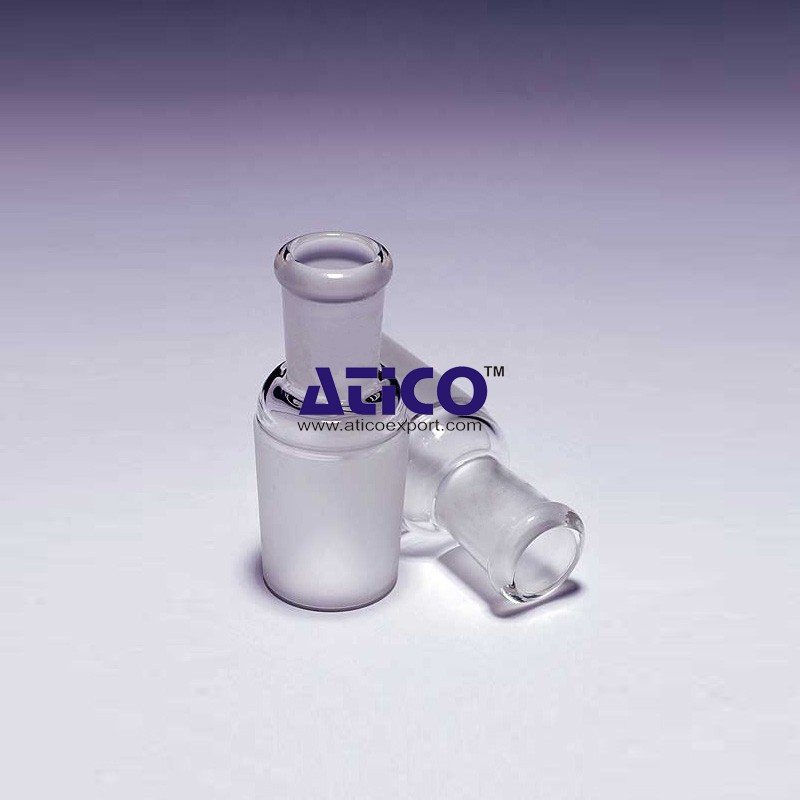
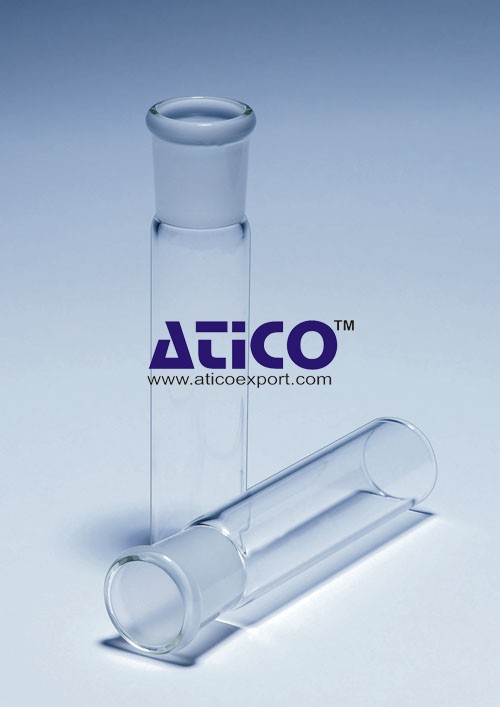
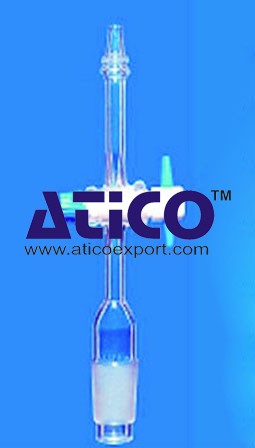
Support and connection items — standard taper joints, adapters, stoppers, and clamps — hold the rest of the system together.
A genuinely complete laboratory glassware setup typically draws from all five categories, not just the most visible items like beakers and flasks.
Buying Factors That Actually Matter
Material specification. Borosilicate laboratory glassware at the 3.3 grade, conforming to ISO 3585, is the standard for genuine laboratory use. A manufacturer who states this plainly and can produce certification on request has passed the first and most important test.
Accuracy class. Volumetric items are manufactured to Class A or Class B accuracy. Research applications generally require Class A; teaching applications can often use Class B at lower cost.
Joint and dimensional consistency. Standard taper joints (14/23, 19/26, 24/29, 29/32) must mate reliably across a manufacturer's full catalog.
Export and packaging capability. Glassware breaks in transit when packed by people who don't understand glassware. A manufacturer with genuine export experience has solved this with proven case designs and individual cell packing.
Bulk lead times. Institutions order in volume, not piece by piece. Written lead times for bulk orders and restocking are a basic requirement.
Common Mistakes Institutions Make
Comparing price per item without checking material grade. A cheaper beaker made from lower-grade glass fails faster, quietly doubling the effective cost through replacement cycles.
Treating glassware as commodity. Calibration accuracy, joint precision, and annealing quality vary measurably between manufacturers — and those differences show up in experimental reproducibility and replacement budgets.
Buying from marketplace listings without verifying the actual manufacturer. A listing on a large platform is often several resellers removed from the actual production source, which becomes a problem the first time a warranty claim is needed.
Skipping sample orders before bulk commitment. A small sample order, inspected for annealing quality and joint precision, catches problems before they appear in a 500-unit order.
Why Choose Atico India as Your Laboratory Glassware Manufacturer
Atico India has manufactured laboratory glassware in Chemistry Laboratory Equipment and dedicated glassware specifications since 1957, supplying educational institutions, research laboratories, distributors, and industrial buyers across more than 30 countries. The manufacturing facility produces in borosilicate 3.3 specification, conforming to ISO 3585, across the full functional range — volumetric, heating, separation, storage, and support glassware.
Every batch undergoes dimensional and quality testing before dispatch. Export documentation, packaging, and freight coordination are managed in-house, built on decades of international shipping experience to schools, universities, research institutions, and government laboratories worldwide.
[Image: Manufacturing facility / quality testing]
Ready to Source Laboratory Glassware?
✔ Bulk Orders
✔ OEM Manufacturing
✔ Export Documentation
✔ Worldwide Shipping
FAQs
What is the difference between borosilicate and soda-lime glassware?
Borosilicate glass has a significantly lower thermal expansion coefficient than soda-lime glass, allowing it to withstand rapid temperature changes without cracking. Borosilicate 3.3, conforming to ISO 3585, is the standard for laboratory applications involving heating.
What accuracy class should I order for volumetric glassware?
Class A for research applications requiring high precision; Class B is generally sufficient for teaching and general laboratory use at lower cost.
Can Atico India fulfill bulk and OEM orders?
Yes. Atico India supplies bulk laboratory glassware with written lead times, and offers OEM manufacturing for distributors and institutions requiring custom branding or specifications.
Does Atico India provide certificates of conformity?
Yes, certification confirming ISO 3585 compliance is available on request — institutions requiring this for accreditation or regulatory purposes should request it at the quotation stage.
Which countries does Atico India export laboratory glassware to?
Atico India exports to over 30 countries across Africa, Southeast Asia, and the Middle East, with established export documentation and freight processes for international institutional buyers.
.jpg)

.jpg)

0 Replies to “Methods of the recruitment”